
 Get a Quote
 Send Inquiry
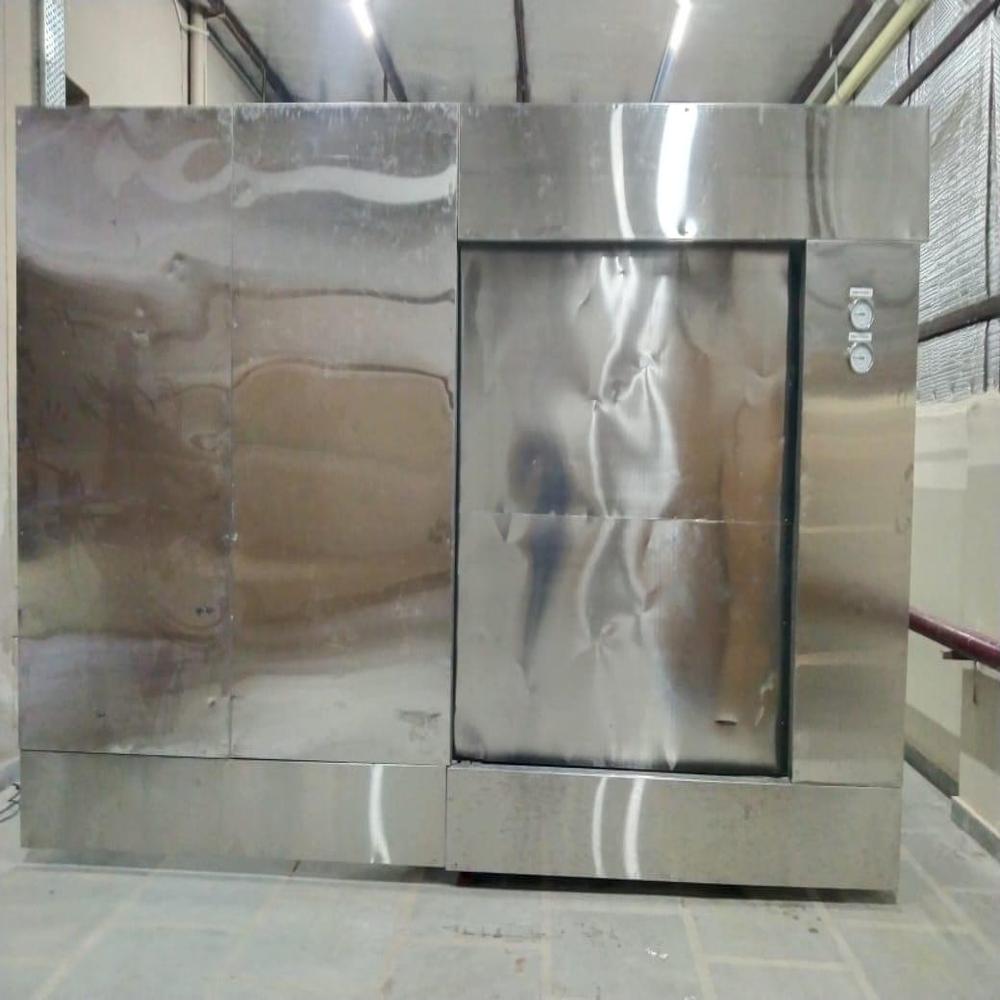
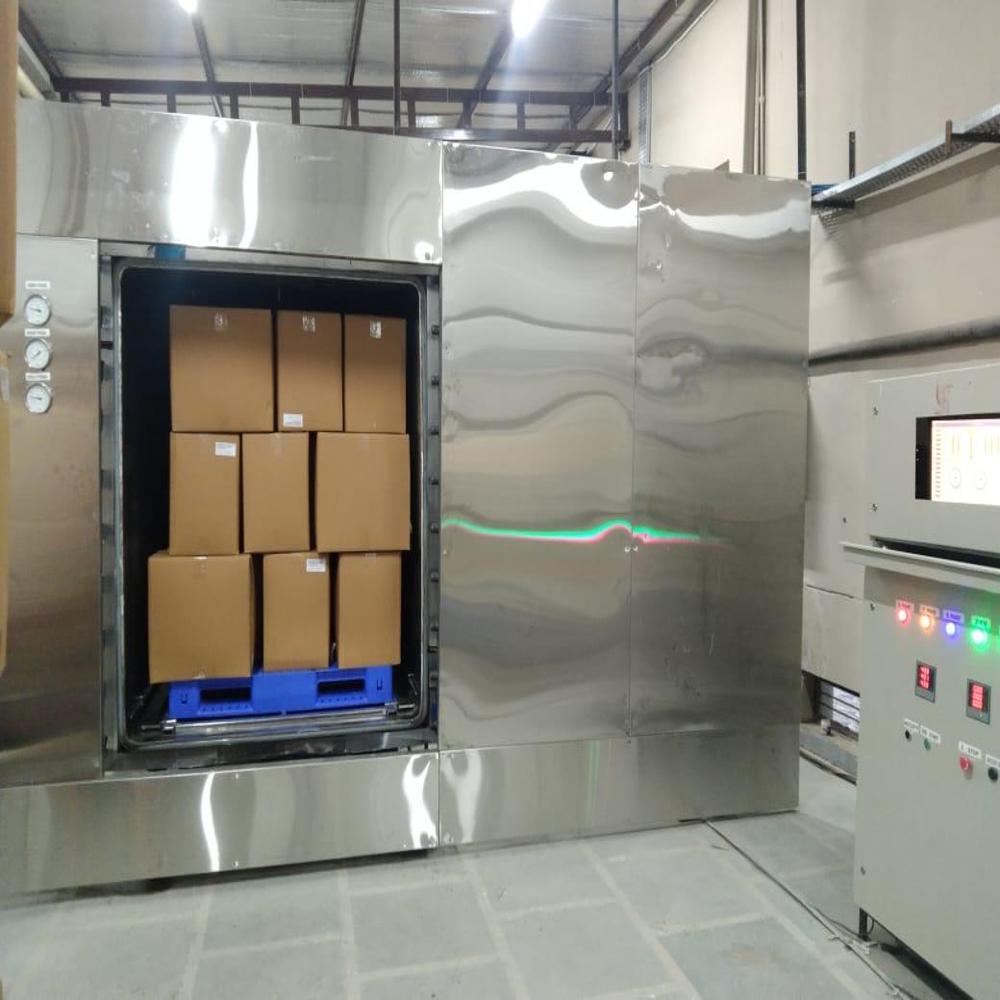
industrial ETO Sterilizer
Price 4500000.0 INR/ Piece
MOQ : 1 Piece
industrial ETO Sterilizer Specification
- Product Type
- industrial ETO Sterilizer
- Material
- Stainless Steel
- Usage
- Industrial
- Operate Method
- Fully Automatic
- Color
- Silver
- Voltage
- 220 Volt (v)
- Application
- Hospital
industrial ETO Sterilizer Trade Information
- Minimum Order Quantity
- 1 Piece
- Supply Ability
- 1 Piece Per Month
- Delivery Time
- 1-2 Week
About industrial ETO Sterilizer
Industrial ETO Sterilizer Description
An Industrial Ethylene Oxide (ETO) Sterilizer is a highly efficient sterilization system designed for low-temperature sterilization of heat- and moisture-sensitive medical devices, pharmaceutical products, and laboratory instruments. It uses ethylene oxide gas to effectively eliminate bacteria, viruses, fungi, and other microorganisms without damaging delicate materials.
The system is widely used in hospitals, medical device manufacturing units, pharmaceutical industries, and research laboratories. It is especially suitable for sterilizing items such as surgical instruments, plastic devices, catheters, syringes, and electronic equipment.
Key Features:
- Low-temperature sterilization process
- Suitable for sensitive and complex instruments
- Uniform gas distribution for effective sterilization
- Advanced control system with automatic cycle operation
- Built-in safety features for gas handling
- Eco-friendly aeration system to remove residual gas
- Durable stainless steel chamber
Applications:
- Hospitals and healthcare centers
- Pharmaceutical industries
- Medical device manufacturing
- Laboratories and research facilities
Advanced ETO Sterilization for Industrial Needs
Our ETO Sterilizer uses Ethylene Oxide gas to sterilize medical and surgical instruments effectively. Its fully automatic operation and intuitive interface minimize manual effort, while the robust stainless steel build guarantees both durability and hygienic processing. Designed for large-scale industrial or hospital environments, it streamlines sterilization for optimum safety in medical practice.
Reliability Across Multiple Sectors
Exporters, manufacturers, service providers, suppliers, traders, and wholesalers in India trust our ETO Sterilizer for consistent, thorough sterilization. The machine integrates seamlessly into hospital workflows, as well as broader industrial pipelines, offering versatile and reliable performance. With easy operation and low maintenance, it ensures continuous productivity.
FAQ's of industrial ETO Sterilizer:
Q: How does the industrial ETO Sterilizer function in hospital settings?
A: The industrial ETO Sterilizer operates fully automatically and utilizes Ethylene Oxide gas to sterilize surgical and medical instruments, ensuring all pathogens, including bacteria and spores, are destroyed without damaging sensitive equipment. Hospitals benefit from its hands-off operation and consistent results.Q: What is the process involved in using this sterilizer?
A: The sterilization process includes loading clean, dry instruments into the chamber, setting the cycle parameters, and initiating the automatic cycle. The equipment is exposed to ETO gas under controlled temperature, humidity, and pressure, followed by aeration to remove any gas residues, making the items safe for use.Q: Where is this ETO Sterilizer typically used?
A: While primarily designed for hospitals, this ETO Sterilizer is also widely adopted by exporters, manufacturers, suppliers, traders, and wholesalers across India, owing to its adaptability for industrial applications requiring rigorous sterilization standards.Q: What are the main benefits of choosing a stainless steel, fully automatic ETO Sterilizer?
A: A stainless steel construction ensures lasting durability and resistance to corrosion, while a fully automatic operating method reduces labor, increases productivity, and limits the margin for error. The sterilization is thorough and reliable, offering enhanced safety and compliance in healthcare and industrial environments.Q: When should ETO sterilization be considered over other methods?
A: ETO sterilization is ideal for situations where heat- or moisture-sensitive equipment requires disinfection. It is particularly suited for complex medical devices and tools that conventional high-temperature sterilization could compromise.Q: How is safety ensured during the operation of the ETO Sterilizer?
A: Safety is maintained through automated controls, airtight chamber seals, and programmed parameters that regulate gas exposure and aeration. Proper use as specified by the manufacturer eliminates residual chemicals, ensuring the safety of both operators and final users.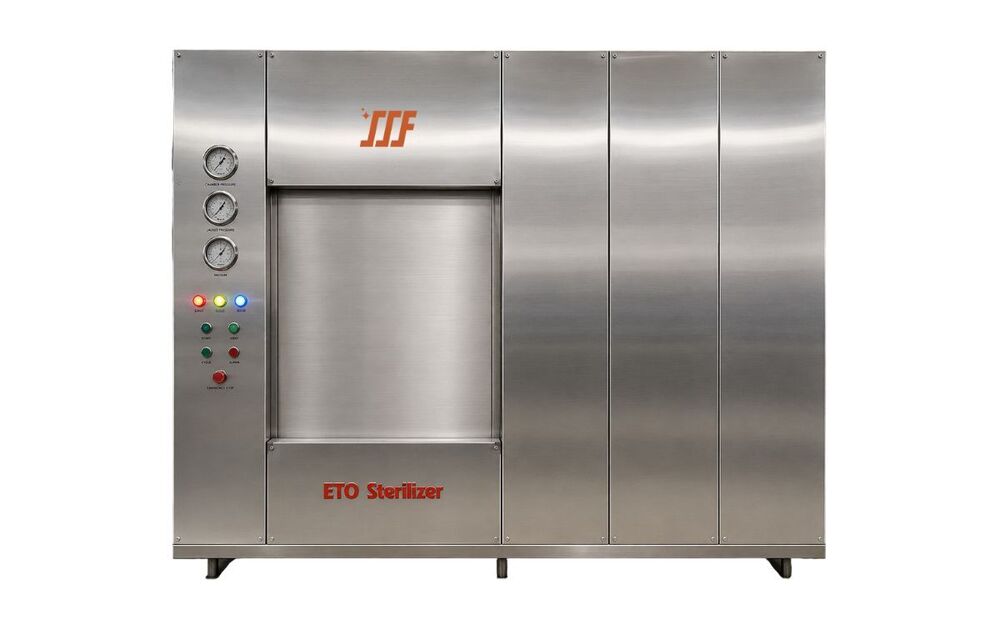
Tell us about your requirement

Price:
Quantity
Select Unit
- 50
- 100
- 200
- 250
- 500
- 1000+
Additional detail
Mobile number
Email

More Products in ETO Sterilizer Category

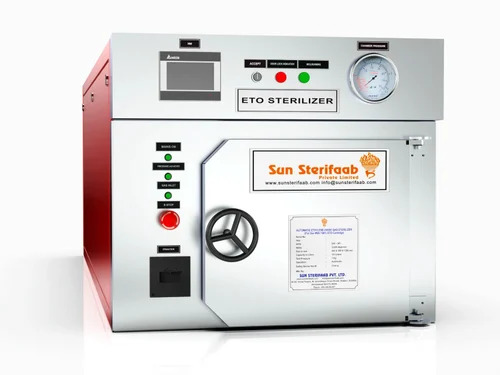
Hospital Ethylene Oxide Sterilizer
Price 4,00,000 INR / Piece
Minimum Order Quantity : 1 Piece
Material : Stainless Steel
Voltage : 220 Volt (v)
Usage : Hosptial
Product Type : Ethylene Oxide Sterilizer
Medical Devices ETO Sterilizer
Price 450000 INR / Piece
Minimum Order Quantity : 1 Piece
Material : Stainless Steel
Voltage : 220 Volt (v)
Usage : Industrial
Product Type : Medical Devices ETO Sterilizer
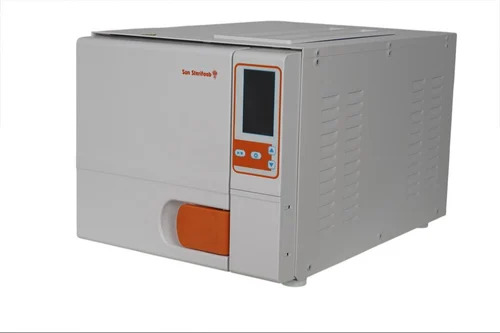
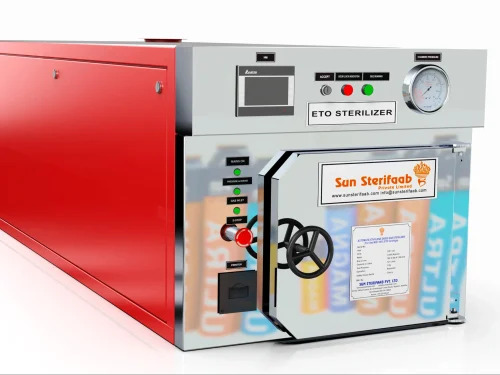
Table Top Sterilizer
Price 225000 INR / Piece
Minimum Order Quantity : 1 Piece
Material : Mild Steel
Voltage : 220 Volt (v)
Usage : Industrial
Product Type : Table Top Sterilizer
Instruments Sterilizers Electric
Price 325000 INR / Piece
Minimum Order Quantity : 1 Piece
Material : Stainless Steel
Voltage : 220 Volt (v)
Usage : Industrial
Product Type : Instruments Sterilizers Electric

 Send Inquiry
 Send SMS
 Call Me Free
SUN STERIFAAB PVT. LTD.
GST : 24AAMCS6245E1ZB
- Platinum Industrial Park-1, Unit Shed No-4 & 5, Raghuveer Industrial Estate-2,Ahmedabad - 382440, Gujarat, India
- Phone :08045804949
- Mr Homyar Dotiwala (Director)
- Mobile :08045804949
- Send Inquiry
- Personal Number: +919979922610 Email: response@sunsterifaab.com
 Send Inquiry
Our Products

|

SUN STERIFAAB PVT. LTD.
All Rights Reserved.(Terms of Use)
Developed and Managed by Infocom Network Private Limited.
Developed and Managed by Infocom Network Private Limited.

